Mold During a Home Inspection – Colorado Buyer & Seller Guide
Buying or selling a home in Colorado can feel stressful enough without unexpected inspection surprises. If Mold Found During a Home Inspection appears in the report, it often raises immediate questions about health, repairs, financing, and contract deadlines. The good news is that mold issues are common in Colorado homes and are usually manageable when handled properly. This guide explains what mold findings really mean for buyers and sellers, how they impact negotiations, and what steps help keep your real estate transaction moving forward.
When Mold is Found During a Home Inspection:
For Buyers
- The inspector documents visible mold or moisture conditions
- Mold is typically described as “conditions conducive to mold growth”
You can request:
- Further mold testing by a qualified environmental professional (see our Mold Inspection Services)
- Seller remediation (learn about professional Mold Remediation in Colorado)
- A credit or price reduction
- Contract termination (if within inspection objection deadlines)
In Colorado, mold findings often trigger the Inspection Objection / Resolution process.
For Sellers
- Mold findings must be addressed honestly—Colorado has strong seller disclosure expectations
- Ignoring or concealing mold can create post-sale liability
- Many sellers choose to remediate proactively to keep deals moving (our Professional Mold Remediation Team can help)
What is the biggest red flag in a Colorado home inspection?
Active or unresolved moisture intrusion.
Examples:
- Basement seepage (see our Water Damage Restoration Services)
- Roof or window leaks
- Crawlspace humidity (learn more about Crawl Space Restoration)
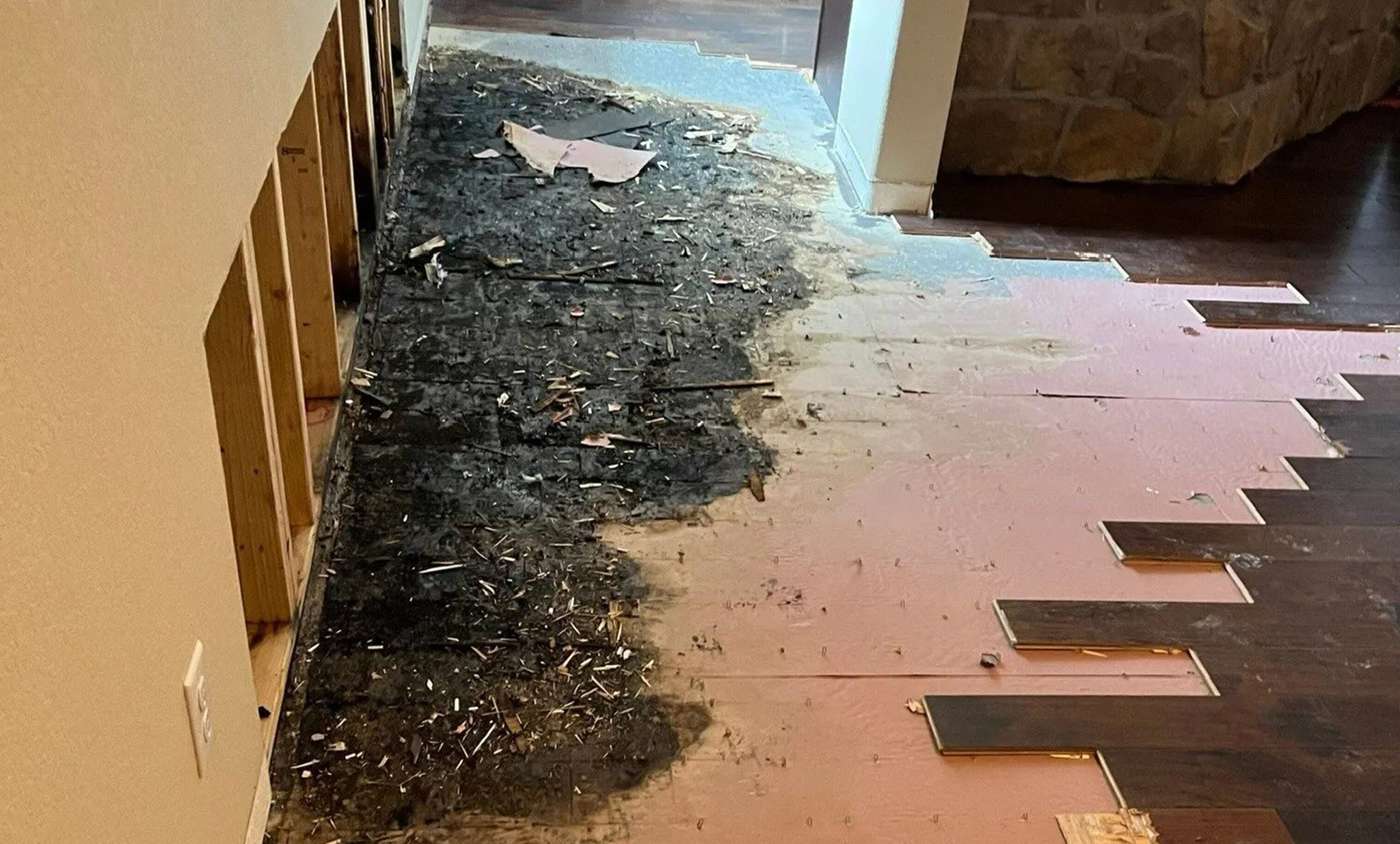
- Prior water damage without repair documentation
Colorado’s freeze-thaw cycles and snowmelt make moisture issues especially important.
Mold can be remediated—chronic water problems are the real risk (address underlying issues with our Water Mitigation Services).
When should you walk away from a house with mold in Colorado?
Buyers should strongly consider walking away if:
- Mold is widespread (multiple rooms or structural areas)
- Mold is tied to foundation, roof, or drainage failures
- The seller refuses testing, remediation, or credits
- Previous “cleanups” were cosmetic (painted over growth)
Colorado contracts protect buyers—but only within deadline windows.
How do you “pass” a mold inspection in Colorado?
Colorado does not have a formal pass/fail standard, but favorable outcomes usually include:
- No visible mold growth
- Moisture readings within normal ranges
- Indoor air samples similar to outdoor baselines
- Documentation of professional remediation (if applicable — see our Mold Clearance & Testing Services)
The key is correcting the moisture source, not just removing mold (our Water Damage Experts focus on identifying root causes).
Can you get a mortgage on a house with mold in Colorado?
Generally yes—but with conditions
- FHA and VA loans often require remediation before closing
- Conventional loans may allow minor issues if addressed
- Active mold or visible moisture can delay underwriting
Clear documentation of professional remediation helps transactions move forward (see our full Mold Remediation Process).
What should you expect during a mold inspection in Colorado?
A professional mold inspection may include:
- Visual assessment of suspect areas
- Moisture mapping of walls, floors, and ceilings
- Indoor and outdoor air sampling
- Surface sampling if growth is visible
- A written report with findings and recommendations (learn more about our Mold Inspection Services)
Inspectors typically follow industry standards (IICRC / EPA guidance), though Colorado does not license mold inspectors.
Can you sue a home inspector for missing mold found during a home inspection in Colorado?
Usually no, unless there is clear negligence.
Most Colorado inspection agreements:
- Limit liability
- Exclude hidden or concealed mold
- State inspectors are not mold specialists
If mold concerns exist, buyers should order a separate mold inspection (schedule one with our Certified Mold Inspectors).
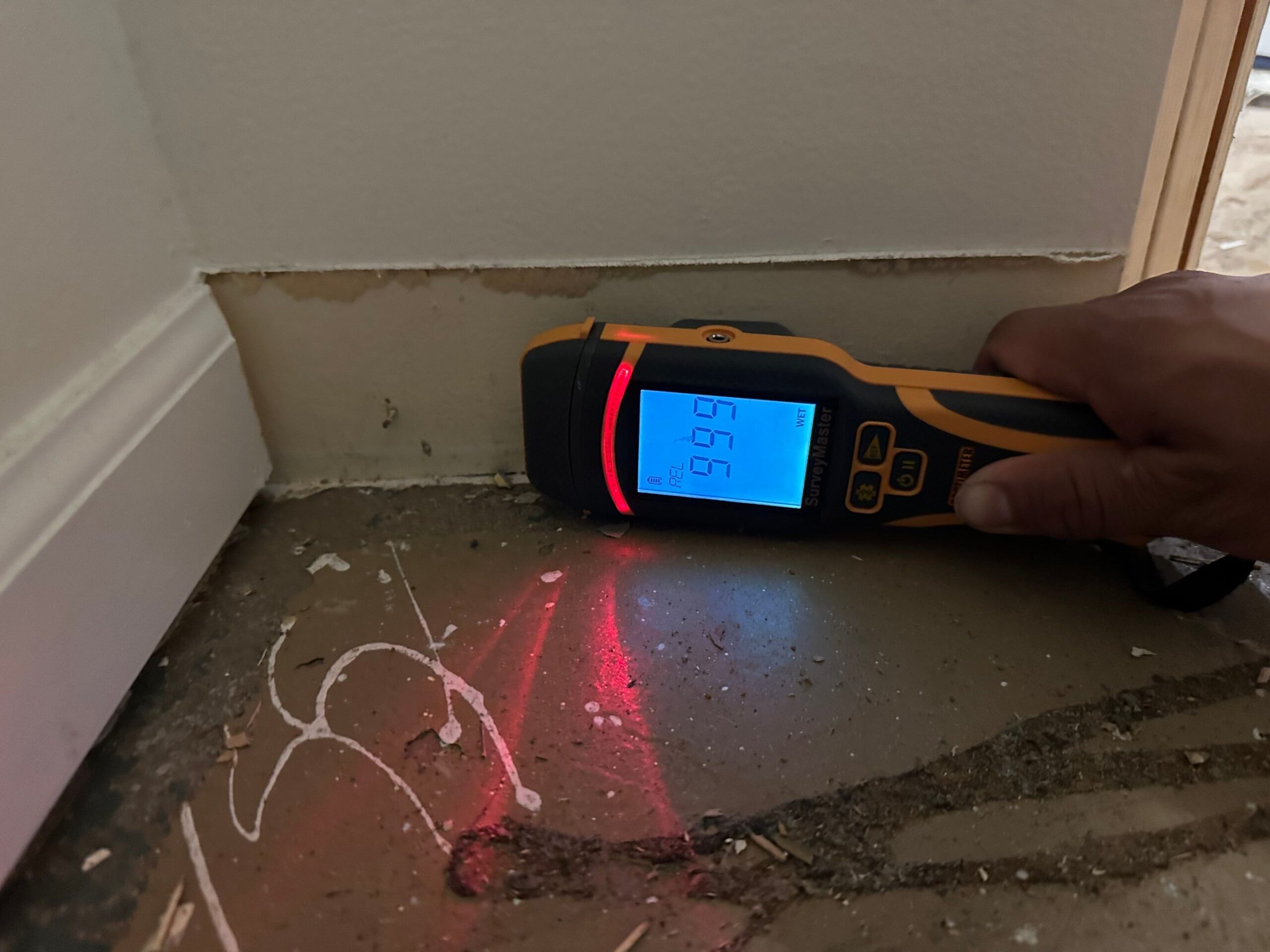
What happens if your Colorado home tests positive for mold during a home inspection?
For Buyers
- Use results to negotiate remediation or credits
- Require professional remediation and clearance testing (see our Mold Remediation Services)
- Confirm moisture sources are corrected before closing (our Water Damage Team can assess)
For Sellers
- You may need to disclose known mold conditions
- Professional remediation reduces future liability
- Clearance testing provides reassurance to buyers and lenders
A positive test does not mean a home is unlivable—it means a fixable issue exists.
How often do Colorado home inspectors check for mold?
- Most inspectors do not test unless requested
- They report visible growth or moisture conditions only
- Mold testing is usually an add-on service or separate inspection
If mold matters to you—ask for it specifically.
Colorado-Specific Takeaways
- Mold itself is common in Colorado homes
- Snowmelt, basements, crawlspaces, and roof penetrations are frequent contributors
- Transparency and documentation matter more than the word “mold”
- Proper remediation protects buyers, sellers, and transactions (learn more about our full-service Water & Mold Restoration Solutions)